


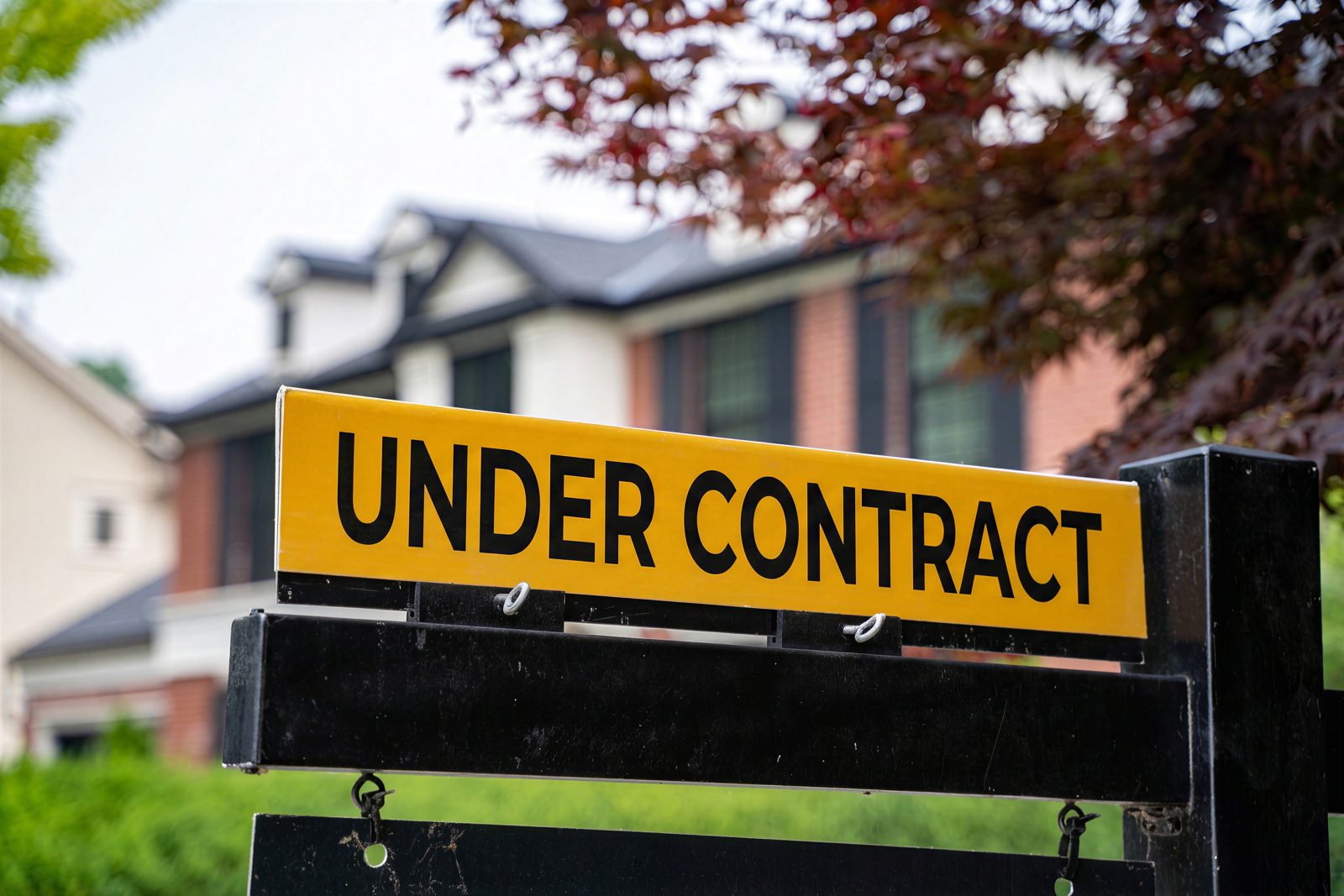
Your buyer signs on Saturday. By Monday, they are ready for the keys, and you’re the one they call.
The contract to closing timeline isn’t a mystery, but most of it happens out of the client’s view. Here’s what goes on behind the scenes during a typical 30-day financed purchase, week by week, so you can answer their questions before they ask. Cash deals move faster, and deals with title issues can take longer, but the order of events stays about the same.
Week 1: From signed contract to title order
The day we get the fully executed contract, we open the file and order the title search. That search pulls the chain of ownership on the property and checks for open mortgages, liens, judgments, and unpaid property taxes, tied to the property or the sellers.
On the loan side, once the buyer’s lender has the loan application, it has three business days to deliver or mail the Loan Estimate, the federal form that lays out the expected loan terms and closing costs (12 C.F.R. § 1026.19(e)).
What your clients are waiting on: The inspection.
What you can do: Send us the contract the same day it’s signed, with all addenda and the loan officer’s contact information. Every day a file sits before the search is ordered is a day you lose at the finish line.
Week 2: The title commitment and clearing title
We issue the title commitment, which is the title company’s written promise to insure the property once certain conditions are met. It shows who owns the property, what we’re insuring, and the list of requirements to be satisfied before closing.
Then, we go straight to work on that list. We order payoffs on the seller’s loans, request the HOA’s status letter, chase down missing releases, and collect documents like an estate’s paperwork or an LLC’s operating documents. Underwriting and the appraisal are running on the lender’s side at the same time.
The title problems we run into most:
- A mortgage that was paid off years ago but never released
- A judgment against someone with the same name as the seller
- An owner on the deed who has since passed away
- A spouse or co-owner who needs to sign but isn’t on the contract
- Delinquent property taxes
Most of these get cleared by the end of week two. The bigger ones, like an estate that was never probated or a release from a lender that no longer exists, can spill into week three. Find more about the title problems that kill deals if you want the longer version.
What your clients are waiting on: Inspection negotiations, appraisal, and loan approval.
What you can do: Read the requirements section of the commitment, not just the first page. Ask your seller if anything looks familiar to them: an old loan, a divorce, a relative who once owned the place. Sellers usually know the backstory faster than we can dig it up. And ask the loan officer for the open conditions list early, so nothing surprises your buyer.
Week 3: Final numbers, the Closing Disclosure, and closing documents
Once title is clear and the lender is nearing clear to close, we balance the settlement statement with the lender, the lender issues the Closing Disclosure, and we prepare our closing documents.
The Closing Disclosure, or “CD”, is the federal form that shows the buyer’s final loan terms and closing costs. On most home loans, federal rules require the buyer to receive it at least three business days before they sign the loan, which on a typical purchase is closing day (12 C.F.R. § 1026.19(f)). Saturdays count toward that waiting period, even if the lender’s office is closed, but Sundays and federal holidays do not (12 C.F.R. § 1026.2(a)(6)). If the CD isn’t handed to the buyer in person, the buyer is considered to have received it three business days after it’s sent, unless the lender can show the buyer got it sooner.
Most changes after the CD goes out do not restart that clock. The lender just sends a corrected CD at or before closing. Only three changes trigger a new three-day wait:
- The APR changes by more than the rules allow
- The loan product changes, such as from fixed rate to an adjustable rate
- A prepayment penalty gets added
What your clients are waiting on: The CD, final cash-to-close figure, and closing time.
What you can do: Tell your buyer to read the CD the day it arrives and call their loan officer with questions immediately, not at the closing table. If the lender asks them to confirm they received it, they should do it right away, since that can start the three-day clock sooner. They’ll sign the CD itself at closing, but surprises are easier to fix three days out.
Remind the client about wire fraud. We will never change wiring instructions by email. If your buyer gets an email saying the instructions changed, they should call us at a number they already have, not one in the email.
Week 3 or 4: Closing day
Depending on the contract date, closing lands at the end of week three or four. Your buyer signs, the lender funds the loan, and we disburse the money and send the deed to be recorded.
After closing, we will mail your client the recorded deed and their owner’s title policy. That’s the final item they’ll be waiting on from us.
Frequently asked questions
How long does it take to close after the contract is signed?
A typical financed purchase is set up to close in about 30 days. Cash deals can close faster, and deals with a title problem or slow underwriting can take longer.
When does the buyer get the Closing Disclosure?
For most home loans, the buyer must receive the CD at least three business days before signing. Saturdays count for this waiting period, but Sundays and federal holidays don’t.
Will a change to the Closing Disclosure delay closing?
Not usually. Most changes just require a corrected CD at or before closing. A new three-day wait only applies if the APR becomes inaccurate, the loan product changes, or a prepayment penalty is added.
What is a title commitment?
It’s the title company’s written promise to issue title insurance once the listed requirements are met. It also shows who owns the property and what the policy won’t cover.
What slows down a closing the most?
Late-breaking title issues and slow responses to loan conditions. Both are much easier to fix in the first two weeks than in the last few days.
When does the buyer get their deed?
We record the deed after closing, then mail the buyer the recorded deed and the owner’s title policy, usually within about a week.
Keep the contract to closing timeline on track
Most closings that slip weren’t slow at the end. They were slow in week one. Get the contract to us early and read the commitment when it lands.
If you’ve got a contract signed this week in Nashville or Middle Tennessee, send it over and we’ll get the search started. We’re an independent, attorney-owned title company on Gallatin Pike. You can reach us at orders@gnt.llc or (615) 865-1470.
This post is general information, not legal advice about any specific transaction. Laws and lender and underwriter requirements change and depend on the facts of your deal.


